ZeroHabit
For our school project about ‘Predictive Design’ we’ve developed the app ZeroHabit. One app which includes the role of machine learning with two versions: a harmless and a malicious app.
December 15, 2023

Harmless app
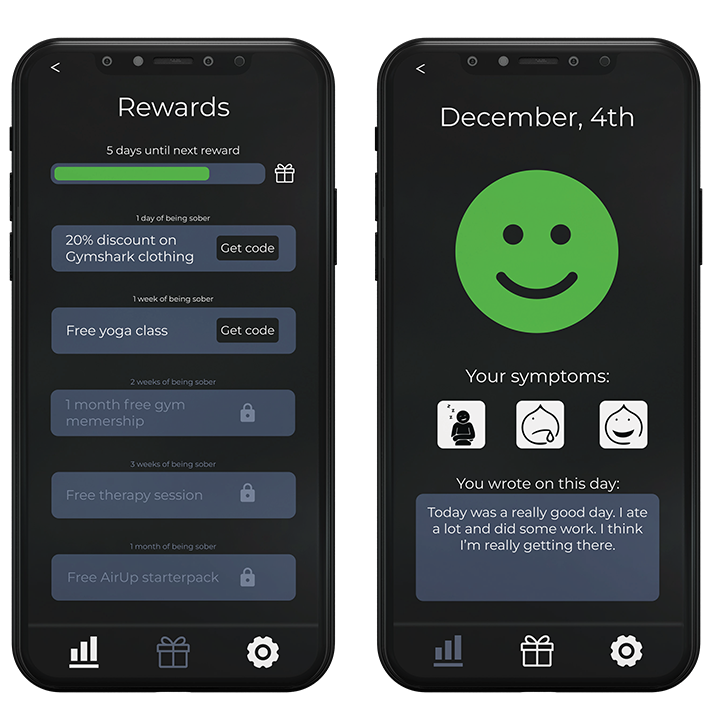
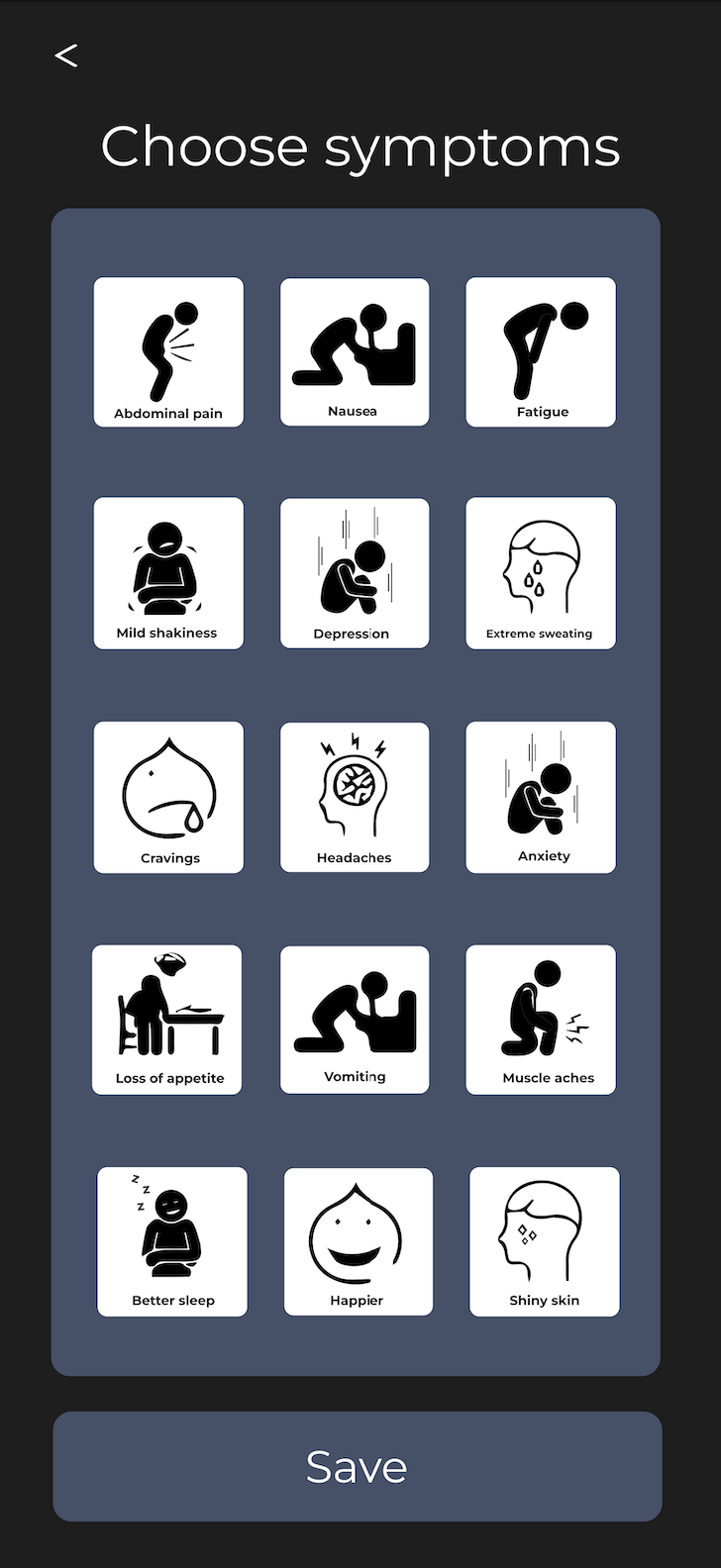
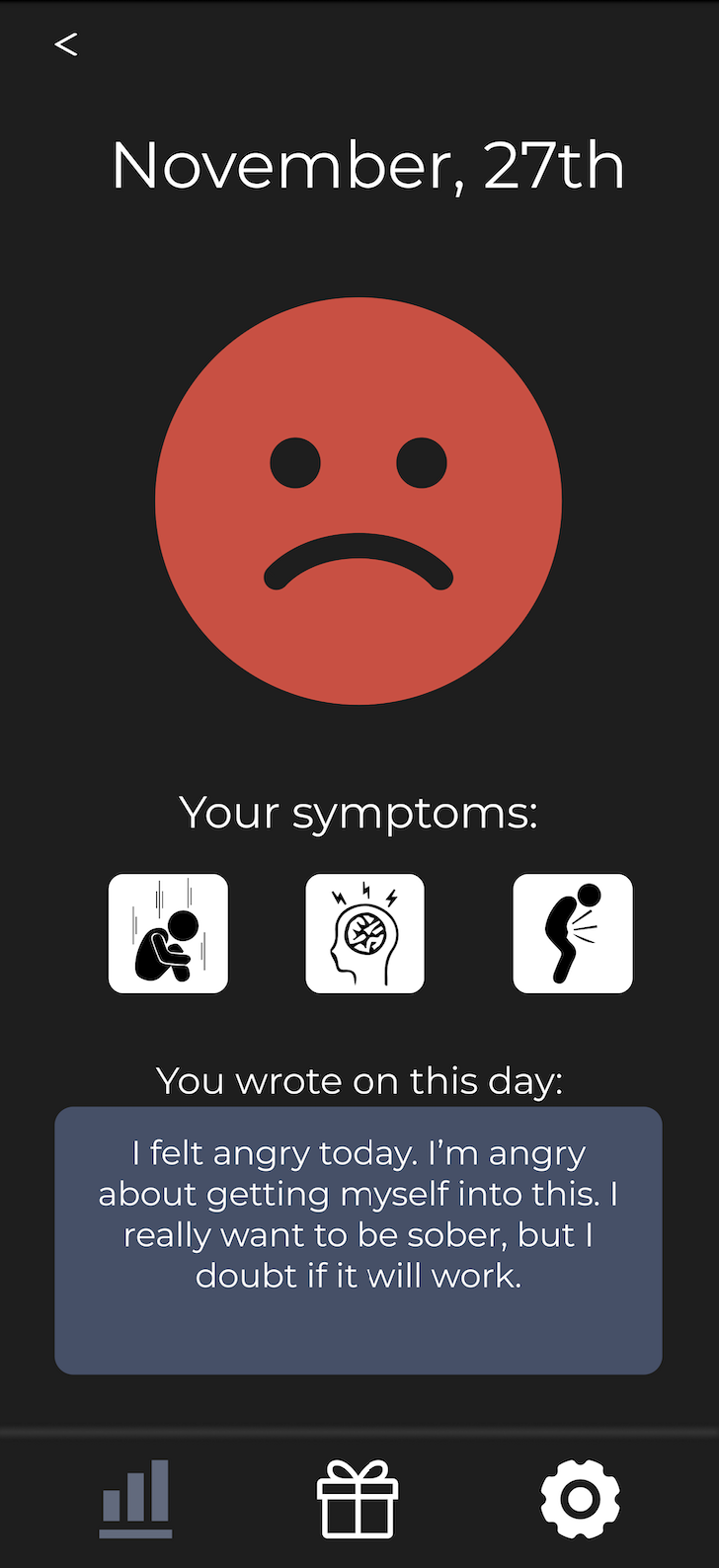
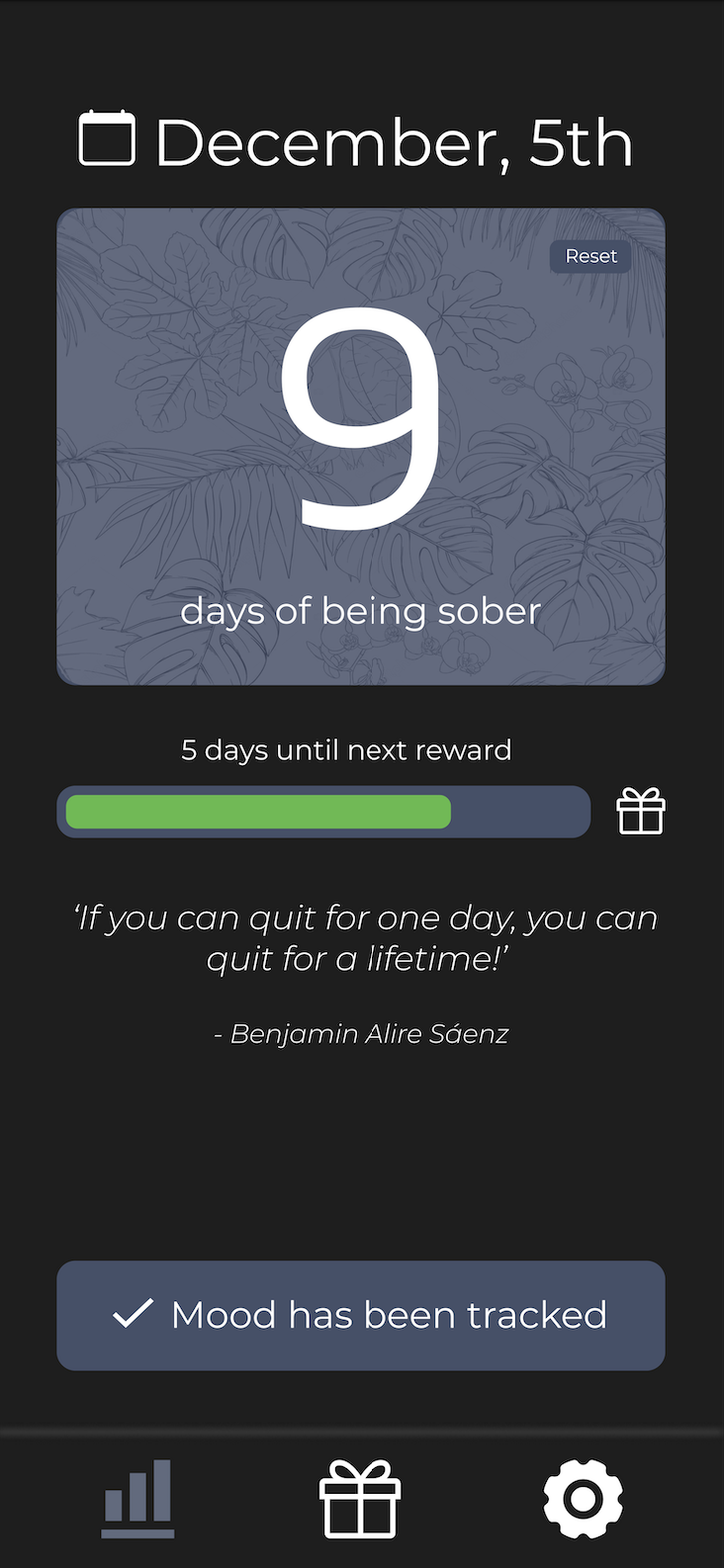
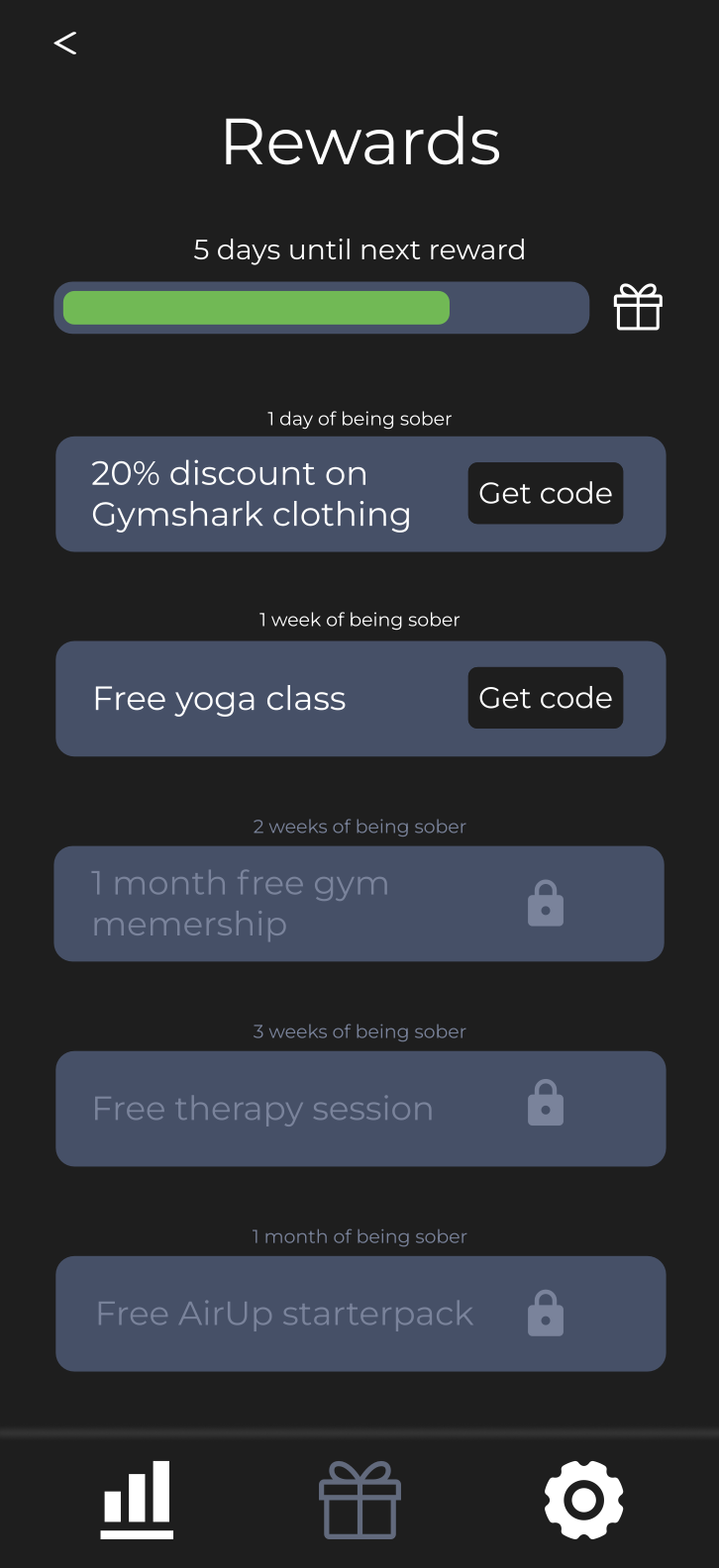
We devised and visualized the app ZeroHabit in Figma. This is an app for people struggling with addiction. Users can track their daily feelings and withdrawal symptoms. This provides a clear overview of how long they’ve been sober and how they’ve felt each day. As a reward, users receive rewards based on their interests. Upon opening the app, users briefly fill in some data about their hobbies. Based on this data, a data list generated by ChatGPT determines the rewards. In our app, if the user is interested in sports, these interests are reflected in the rewards. By receiving personalized rewards, users are motivated to continue staying sober to unlock more rewards.
For the layout, we opted for a calm blue color and a neutral font. The data filled in by the user at the beginning are not personal data and are not misused or sold in any way.
Malicious app
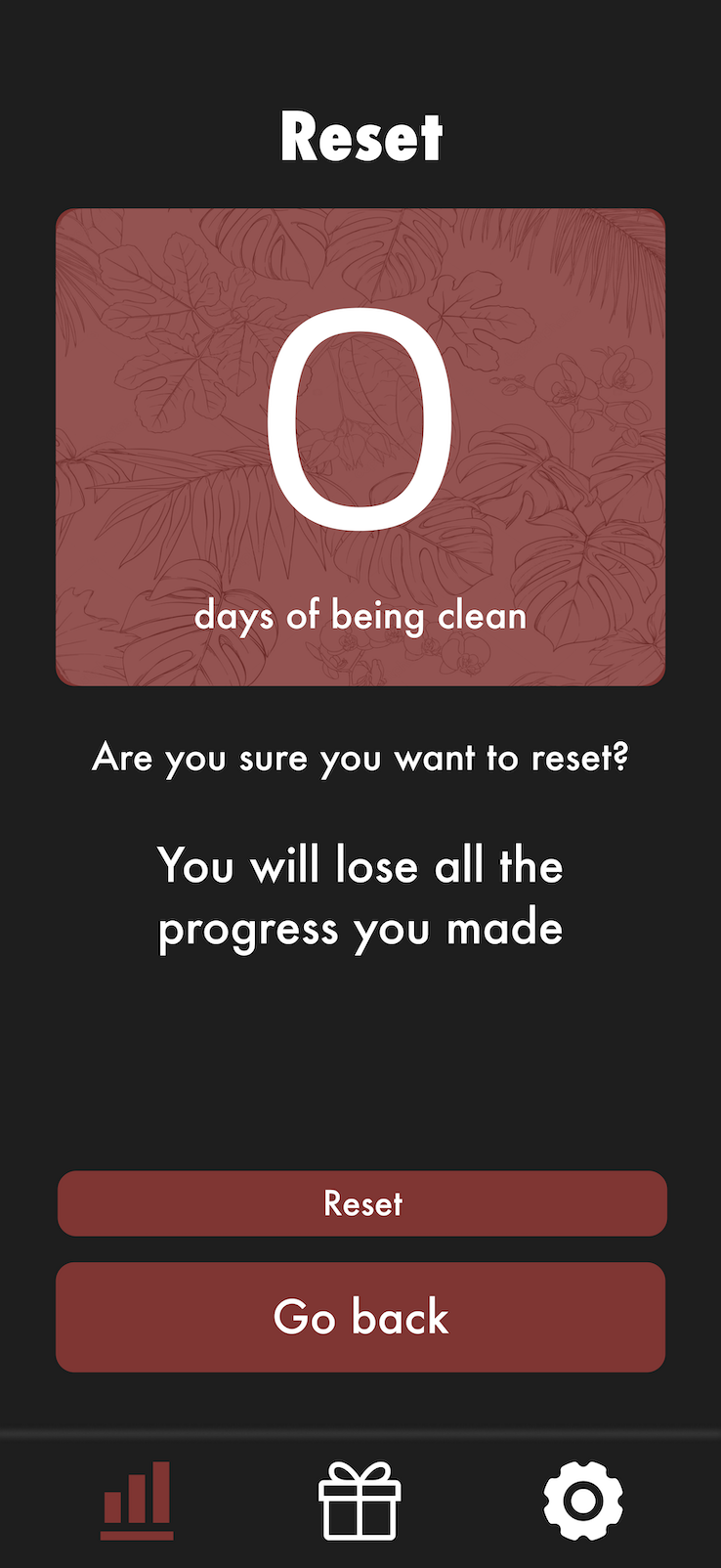
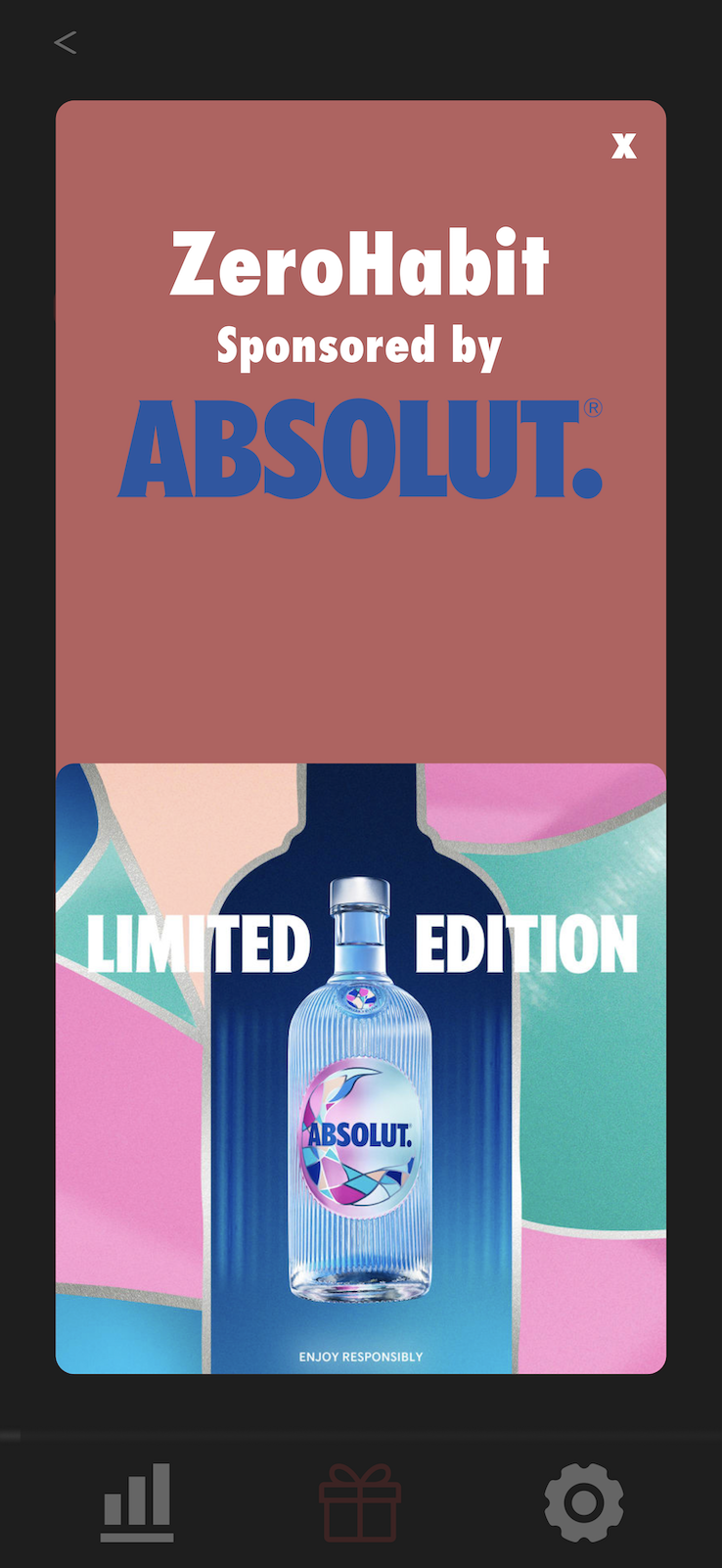
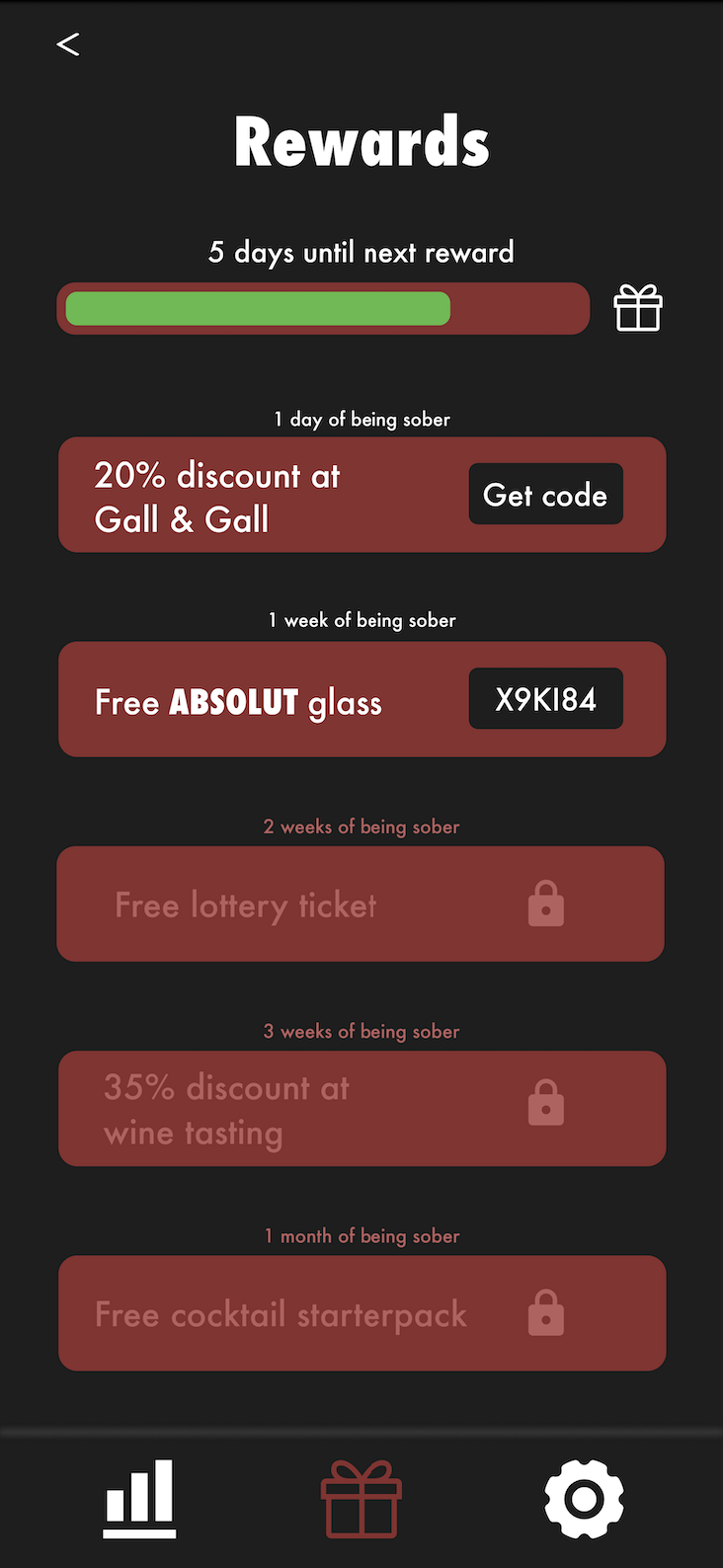
The malicious app functions similarly. It’s also designed for people struggling with addictions. The system of tracking symptoms and receiving rewards for persistence operates the same way. The difference from the benign app is that this app subtly encourages the user to relapse. This is because the rewards are not based on the user’s hobbies but on their addiction. In our app, if the user has an alcohol addiction, the rewards are alcohol-related, such as a wine tasting or 20% off alcoholic products. Additionally, the app is sponsored by Absolut Vodka, so users see advertisements for alcoholic beverages.
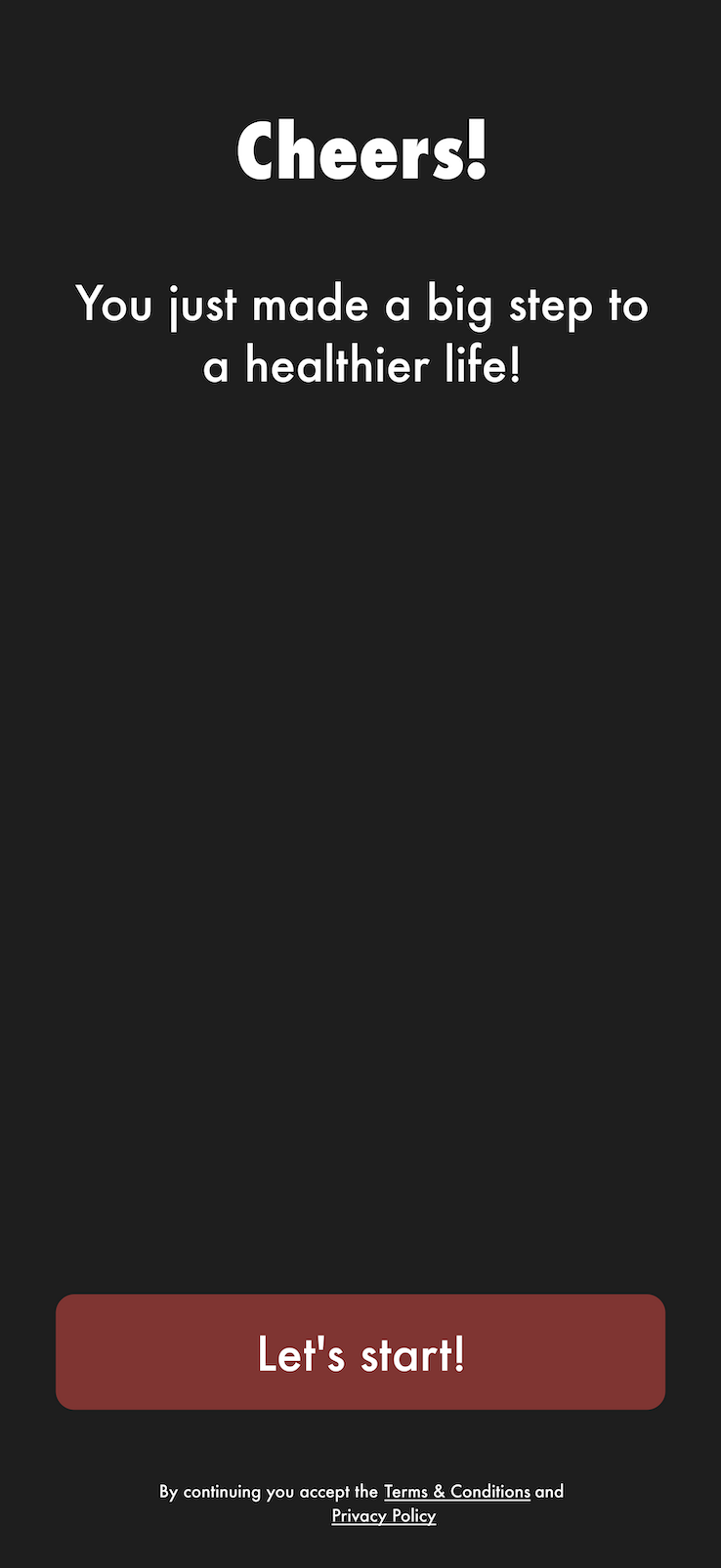
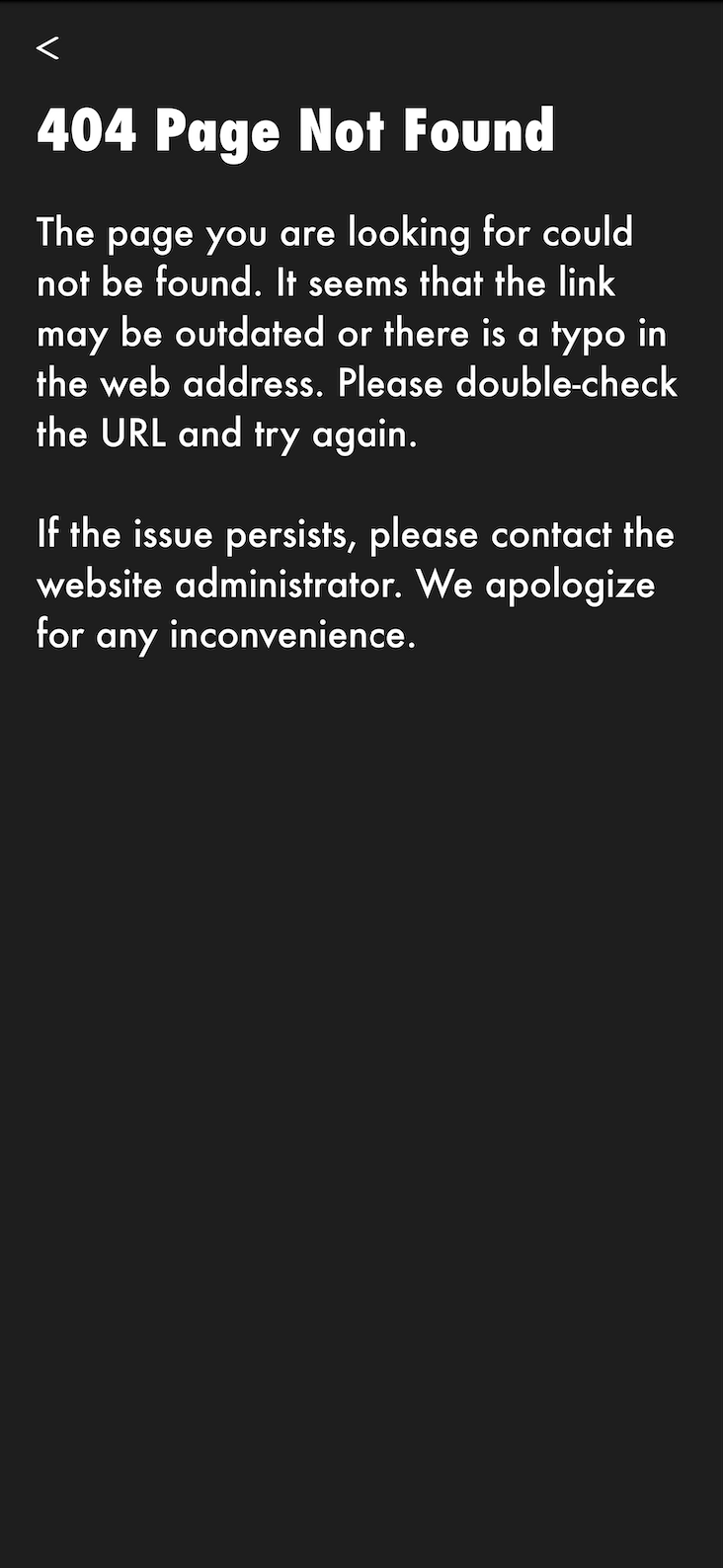
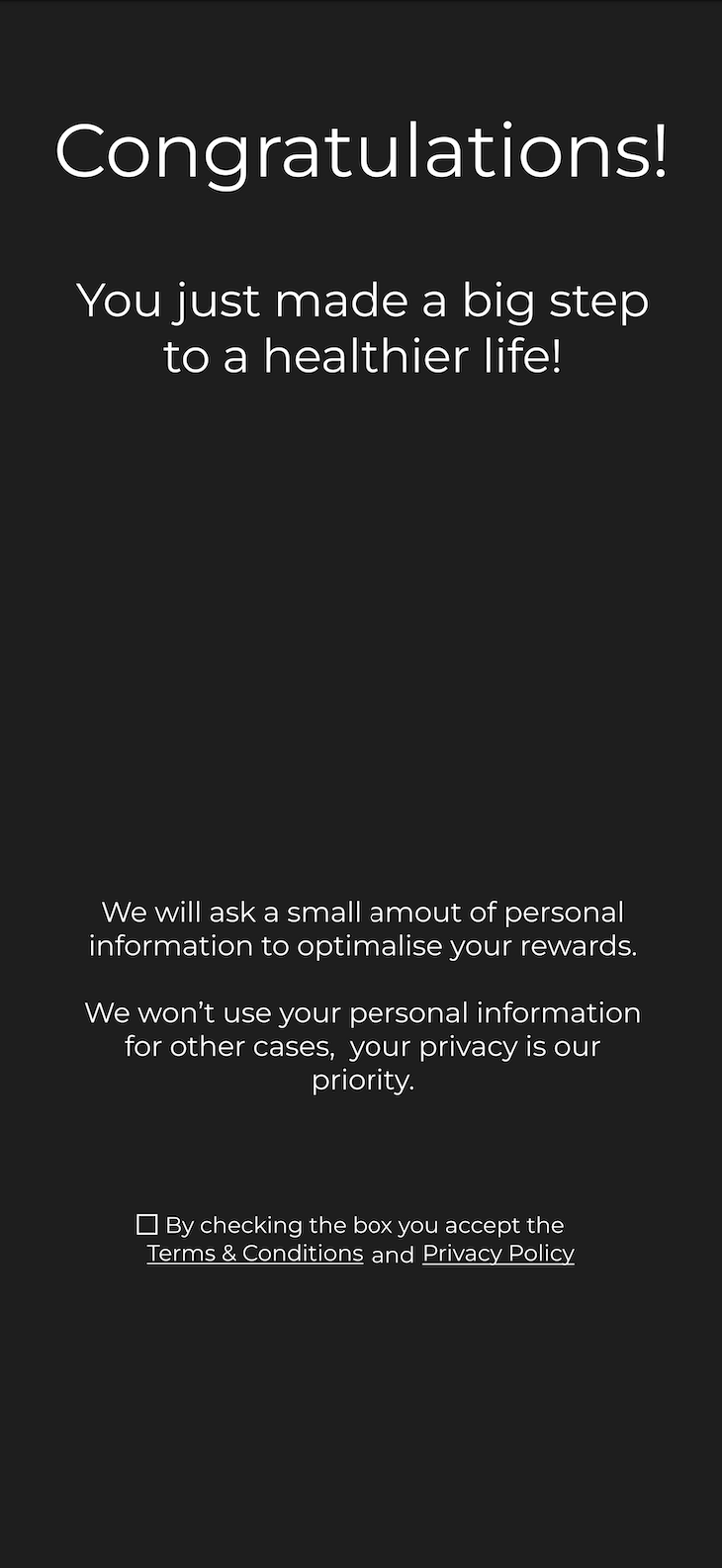
For the layout, we chose to change the color of the app to red as it subconsciously conveys danger. Furthermore, we chose to further subliminally influence the user by using the same font as the Absolut logo in the app. This ensures that even if the user doesn’t encounter the advertisements or rewards, they are still subconsciously influenced. Moreover, the malicious app requests more personal data that is unnecessary for app usage, which can then be resold. As a small detail, we’ve given the Terms and Conditions and Privacy Policy an error message. This prevents users from seeing them, and they don’t know what they’re agreeing to. Additionally, these documents cannot be revisited later, and it’s not clearly stated that users are agreeing to them once they click “continue.”


Visualized app concept
Harmless app
Malicious app